
A quote comparison can stall when a customer has two totals but cannot tell whether they cover the same job. If a buyer mentions a competing estimate, start by making your own scope easy to understand.
Clarify the work behind your total
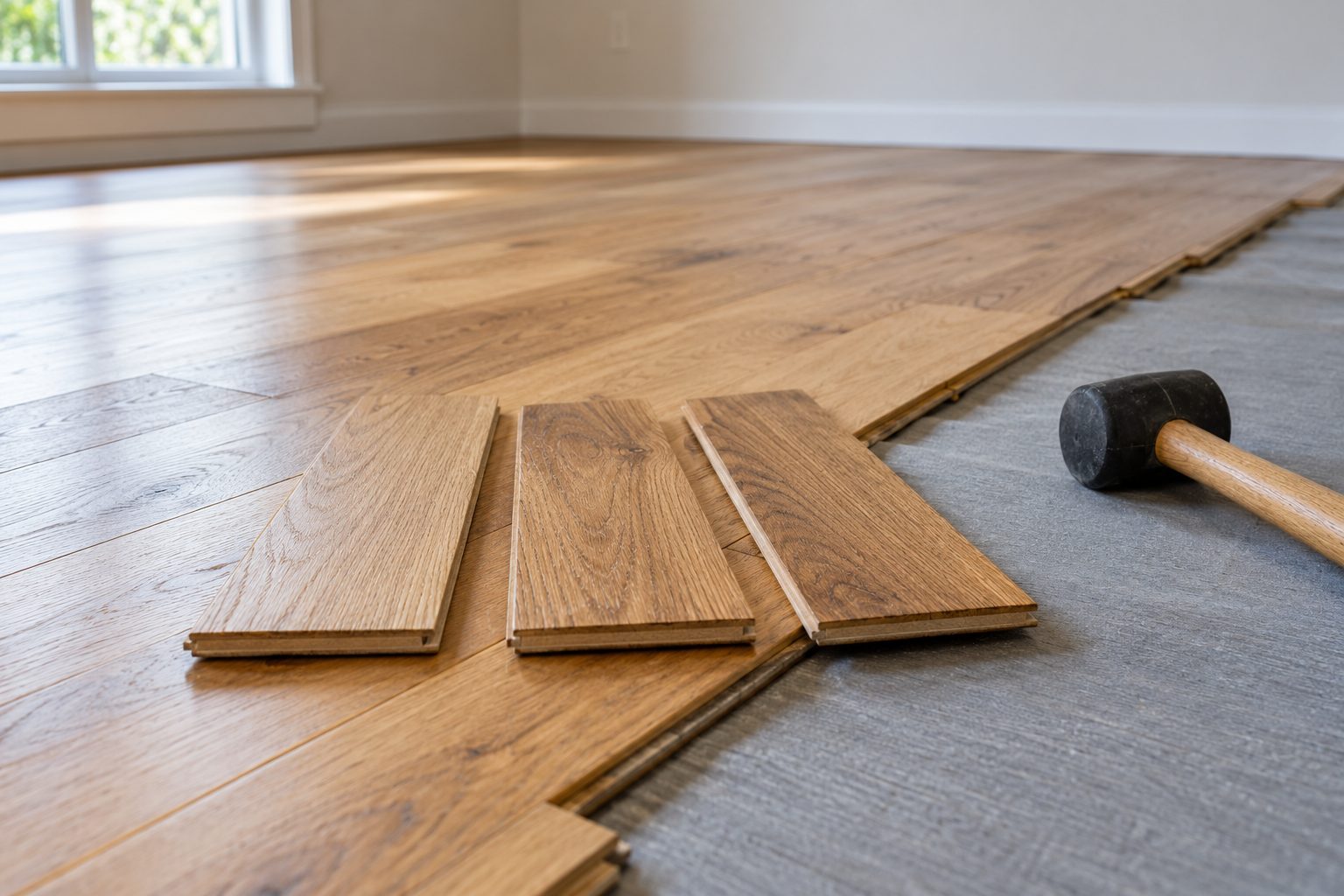
For example, a flooring installer might include removing the old floor and hauling it away. Another estimate may leave those tasks unclear. That difference is a question to check, not evidence that the other installer is hiding something.
- Materials: identify the product, quantity, and finish you priced.
- Included work: spell out preparation, installation, and cleanup.
- Exclusions and unknowns: explain anything priced separately or still awaiting inspection.
Use a short scope summary that matches your actual estimate. If a cost is not yet known, say so rather than presenting an allowance or assumption as a fixed total.
Offer a neutral comparison question
My estimate includes removing the existing flooring, installing the selected planks, and hauling away the removed material. Are those items included in the other option you're considering? I can clarify any part of my scope before you decide.
Use that example only if those tasks are genuinely included. The customer can check the other provider's scope themselves; you don't need to request their full proposal or speculate about its quality.
Let the comparison guide the next step
If the scope differs, ask which version the customer actually wants. If the customer requests a scope change, show the revised work and price clearly. If both offers cover the same needs, explain any relevant, verifiable difference in your service and let the customer choose.
Record the remaining question and who will answer it. A useful next step is resolving a specific uncertainty, not sending another message asking whether your price looks better yet.