
A product demo can leave a buyer interested but unsure whether your offer fits their daily work. If the sale stalls after a demonstration, ask what they still need to see before scheduling another tour of every feature.
Agree on one task to test
Choose a task the customer actually needs to complete. Ask what they use now, where the difficulty appears, and what a workable result would look like. Keep the next demonstration focused on that question.
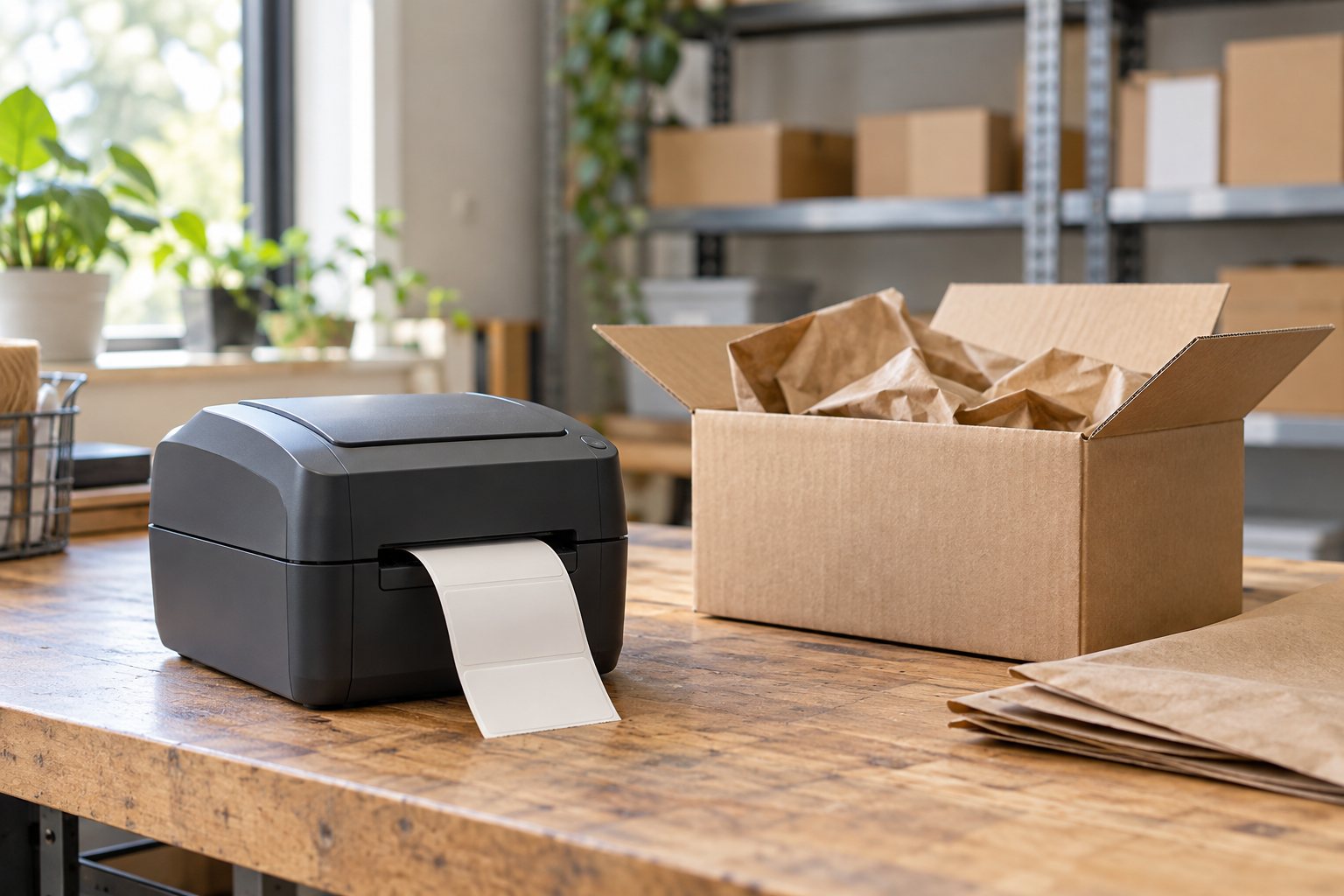
For example, imagine a small equipment dealer selling a desktop label printer to a retailer. The buyer likes the printer but is unsure about preparing labels with their existing shipping software. The dealer could ask:
You mentioned that preparing labels is the step you want to check. Which shipping software and label size do you use? I can verify compatibility first, then demonstrate a sample order with made-up details. What would you need to see to decide whether this setup suits your work?
Show what is real, flag what is untested
- Use the actual product and relevant configuration when possible. Explain any difference between the demonstration and the buyer's setup.
- Show the steps the operator must perform, including manual work. Don't skip an awkward step just to make the process look effortless.
- If compatibility or a requested feature is unverified, say so and agree on how you will check it. Don't present a future capability as available today.
Close with a shared conclusion
Ask whether the task worked as the customer expected and what remains unresolved. Send a brief recap: what you demonstrated, what still needs verification, and the next step both sides agreed to.
A successful demonstration is evidence about that task, not automatic purchase approval. If the product does not fit, acknowledge the gap before rewriting the quote or pushing for an order.